
Small-Home vs. Large-Facility Senior Living: Pros and Cons
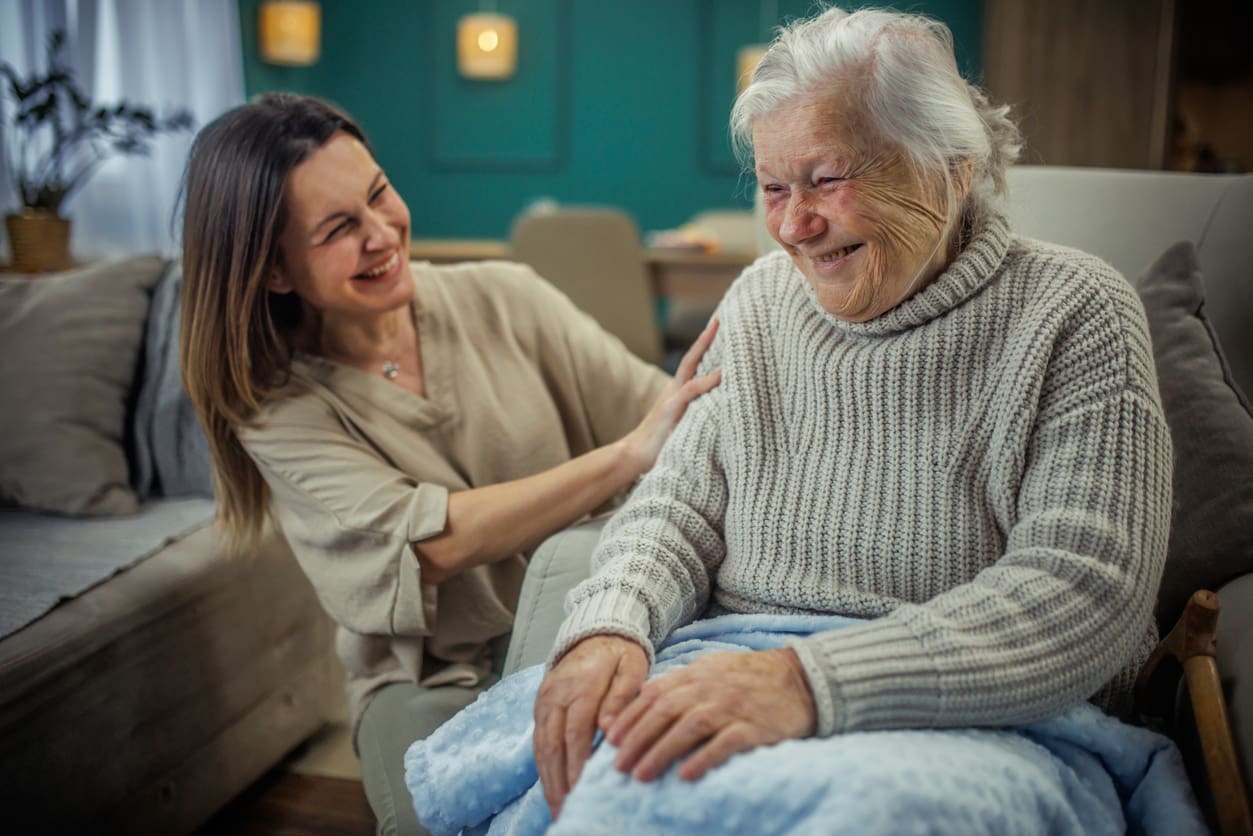
When you start looking at senior living for a parent or spouse, one of the first differences you will notice is size. Some communities are large, with dozens or even hundreds of residents, long hallways, and a busy calendar. Others are small residential homes that care for a handful of people in a house-like setting.
Both models can offer wonderful care. The right choice depends on your loved one’s personality, needs, and what makes them feel at home. Here is an honest look at the pros and cons of each, written for families weighing this decision for an aging adult.
What we mean by “small home” and “large facility”
A small-home community, often licensed in Wisconsin as a Community-Based Residential Facility (CBRF), typically serves a small group of residents in a converted or purpose-built house. Meals happen around a shared table, and the same caregivers work with the same residents day after day.
A large facility usually houses many more residents across multiple wings or floors, with a bigger staff, more amenities, and a wider range of activities and services under one roof.
Neither is better across the board. They simply feel different to live in.
The case for a small-home setting
Families are often drawn to small homes because they feel personal and calm.
Pros
- Familiar faces. With fewer residents and a steady care team, your loved one sees the same caregivers regularly. That consistency matters a great deal for someone living with memory loss.
- A quieter, homelike pace. Shared meals, a living room, and a smaller group can feel less overwhelming than a large building, especially for adults who are anxious in busy environments.
- Individual attention. A lower resident-to-caregiver ratio often means staff notice small changes quickly, from appetite to mood.
This intimate model is the heart of how our communities are designed. You can see it in the way we care for residents at our assisted living communities in Oak Creek, where a home setting and a familiar team are the whole point.
Cons
- Fewer on-site amenities than a large campus.
- A smaller activity calendar, though many small homes still offer meaningful daily engagement.
- If care needs change dramatically, some small homes may not offer every higher level of service.
The case for a large facility
Large communities appeal to families who want a wide menu of services and social options in one place.
Pros
- More amenities. Think on-site salons, multiple dining rooms, fitness spaces, and libraries.
- A full activity calendar. With more residents, there are often more clubs, outings, and events each week.
- Levels of care on one campus. Some larger communities offer independent living, assisted living, and memory care together, so a resident may not have to move as needs change.
Cons
- It can feel institutional. Long hallways and large dining rooms are not for everyone, and some adults feel lost in a bigger crowd.
- Less consistency. With larger teams and shift rotations, your loved one may not see the same caregivers as often.
- More stimulation. For someone with dementia, a busy environment can sometimes increase confusion or agitation.
How to decide what fits your loved one
Start with your loved one’s temperament. Someone who thrives on activity and socializing may love the energy of a larger community. Someone who is easily overstimulated, or who values quiet and routine, often does better in a small home.
Then think about care needs, today and a year or two from now. Ask each community how they handle changes in health, and what happens if needs increase.
Finally, visit in person. Notice how staff speak to residents, whether the space feels warm, and whether you can picture your parent comfortable there. A tour tells you more than any brochure.
If you are exploring options around the Milwaukee area, it helps to compare a few settings side by side. You can start with our overview of senior living in the Milwaukee area, then look at a specific small-home option like the Fardale Home in Milwaukee to see how an intimate community feels in practice.
The bottom line
There is no universally right answer, only the right answer for your family. A large facility offers breadth: amenities, activities, and levels of care in one place. A small home offers depth: familiar faces, a calm pace, and close attention.
Take your time, visit more than once, and trust what you feel when you walk in. The best community is the one where your loved one feels safe, known, and at home.