
Senior Living Communities - Not Just for Seniors
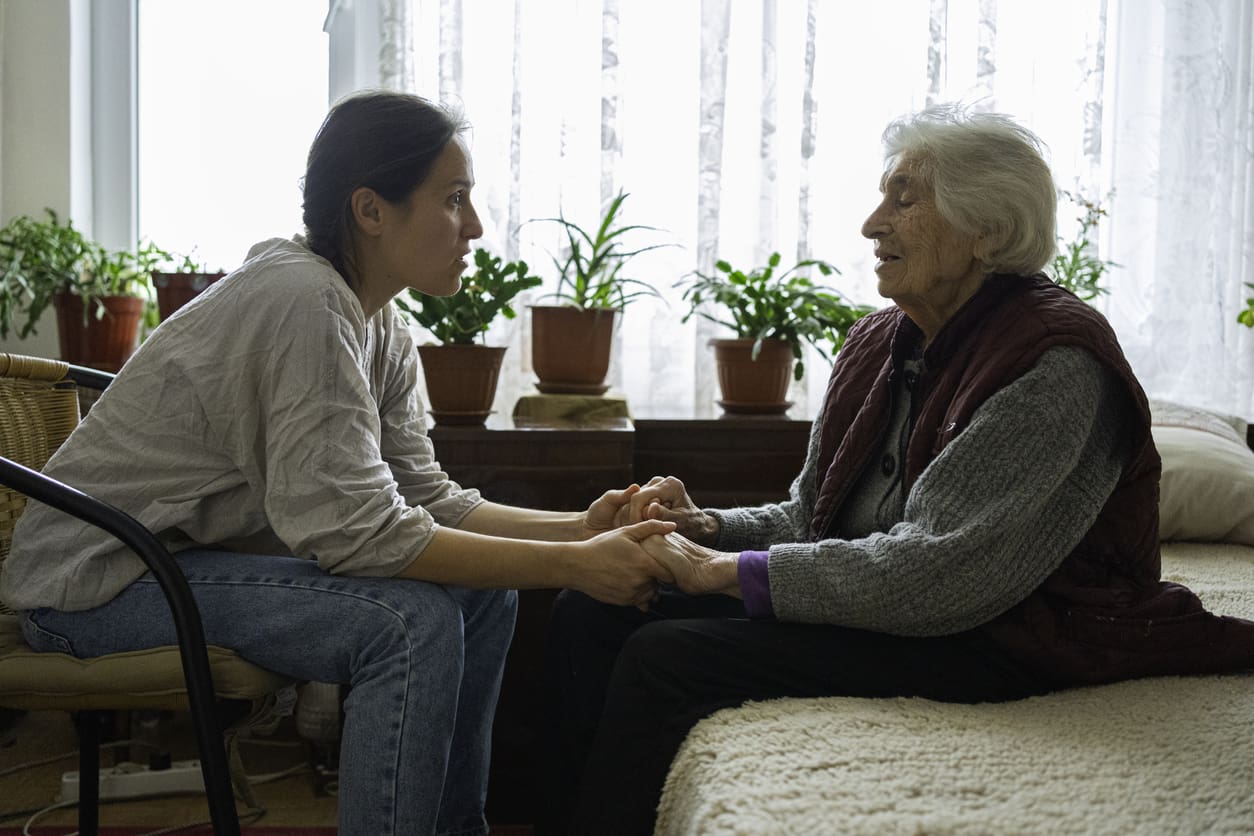
Senior living communities, or assisted living communities, are housing options for adults unable to live independently. While many residents are seniors, younger adults needing assistance with medications and daily activities also reside in these facilities. They differ from nursing homes by offering less advanced medical care, potentially serving as a bridge between independent living and skilled nursing facilities.
Common Services Provided
These communities typically offer assistance with bathing, dressing, restroom use, eating, and personal hygiene. Additional services include prepared meals, recreational and educational activities, medication administration and monitoring, basic healthcare services, around-the-clock caregiver access with emergency call systems, housekeeping, and transportation coordination.
Who Lives There
According to research, over 800,000 residents live in U.S. assisted living facilities. The population is 71% female and 29% male, with more than half over age 85. Only 18% are under 75 years old. Residents may include individuals with mental illness, traumatic brain injuries, physical limitations, or those struggling with daily tasks. Warning signs for needing this care include forgetfulness, difficulty preparing food, falling, inability to drive, depression, household task challenges, and mobility or cognitive issues.
The most common resident conditions are high blood pressure, arthritis, Alzheimer’s disease, dementia, heart disease, and depression.