
How Assisted Living Communities Celebrate Holidays With Residents
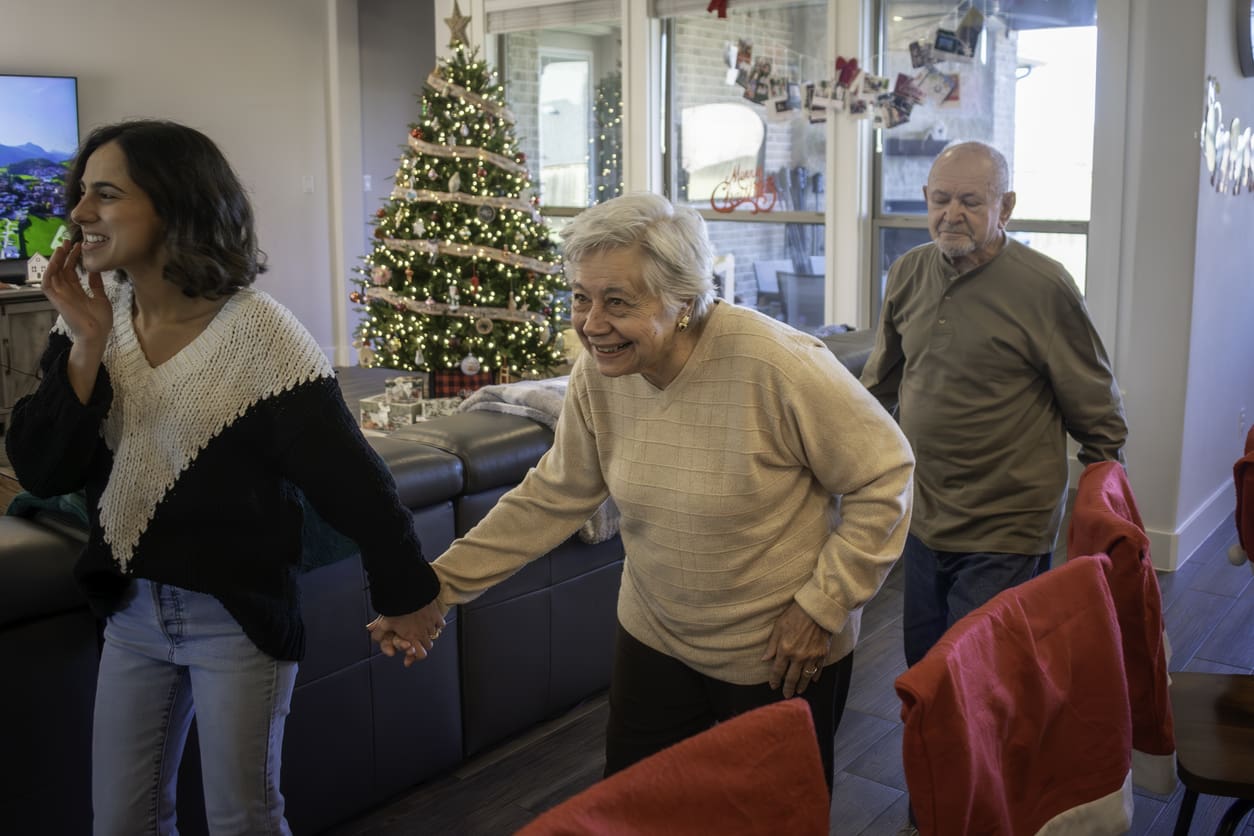
Holidays bring a mix of warmth and grief for many families who have a loved one in assisted living. The traditions that once centered around a parent’s home now look different. The expectation of a big family gathering may not fit the reality of how a parent with dementia or limited mobility actually experiences celebration.
Understanding how assisted living communities approach holidays, and how families can participate meaningfully, helps everyone get more out of the season.
What Holiday Programming Looks Like in Most Communities
Most assisted living communities build seasonal programming around major holidays throughout the year. This typically includes:
Decorating common areas. Familiar seasonal decor, music, and scents are not just aesthetic: they provide sensory cues that can evoke positive long-term memories, particularly for residents with dementia. Walking into a community that smells like cinnamon and has holiday lights up can lift mood in ways that direct conversation sometimes cannot.
Special meals. Holiday dinners are often the centerpiece of the community’s celebration. Many communities put significant effort into these meals, which may include traditional foods, tablecloths, and a more formal setting. Some bring in musicians or entertainment.
Resident-led activities. Baking, wrapping gifts, making cards or ornaments, and other hands-on seasonal activities give residents a sense of participation and purpose. For residents with memory loss, repetitive, familiar tasks like wrapping or rolling cookie dough can be deeply comforting even when the context is no longer clear.
Family gatherings in common spaces. Most communities welcome families to celebrate with residents on or near the holiday, often in dining rooms or activity areas that can accommodate larger groups. Check with the community about their policy and preferred timing, especially if you plan to bring children or food from outside.
The Emotional Reality for Residents
Holidays can be hard. For some residents, the season brings grief: for people who have died, for a home they no longer live in, for a version of themselves that used to host or travel or bake. A person with dementia may not always be able to name what they are feeling, but they may show it through agitation, withdrawal, or tearfulness during what families hoped would be a joyful visit.
This is not a sign that the community has failed or that the celebration was wrong. It is a sign that your loved one is having a real emotional experience. The right response is usually to sit with them, acknowledge that the holidays can bring up a lot, and not try to talk them into feeling differently.
Some residents, on the other hand, thrive during the holiday season. The increased activity, the familiar music, the family visits — all of it can produce genuinely happy stretches that families will carry with them.
How Families Can Participate Well
Coordinate your visit. Showing up during a community-organized meal or special event is usually a good idea; it gives you something to do together beyond conversation, which can feel strained. Ask the activity staff when the main events are scheduled.
Bring something sensory. A favorite holiday food (check dietary restrictions first), a familiar ornament, or a simple craft you can do together gives the visit shape and gives your loved one something to do with their hands.
Lower the pressure on conversation. You do not need to have a meaningful conversation for a holiday visit to be meaningful. Sitting together, watching an activity, listening to music, or just being present is enough.
Include children thoughtfully. Grandchildren can be a source of real joy for residents, but young children can also be loud and overstimulating. Visit during a calm part of the day, keep it shorter, and make sure kids understand that grandma or grandpa may seem different than they remember.
Consider alternatives to the big-family gathering. Some families find that smaller, more frequent visits work better than one large holiday gathering, especially for residents who fatigue easily or who become overwhelmed in busy environments.
Communities near Wabash and Neenah can help you plan a visit that works for your loved one’s current level of energy and engagement. The activity staff knows your parent’s rhythms and can suggest the best time and format.
If You Cannot Visit
Sometimes geography, health, or circumstances make a visit impossible. A video call is a meaningful alternative for residents who can manage screen interaction, though many people with dementia find video calls confusing. A handwritten card, a framed photo, or a recorded video message from grandchildren can be delivered by staff and enjoyed multiple times.
Ask the community to let you know how your loved one experienced the holiday. Most are happy to send a quick message or photo from the day’s activities.
Letting Go of the Holiday You Used to Have
One of the most honest things families can do during this season is grieve the holiday traditions that have changed, and then build new ones. The parent who hosted Thanksgiving for thirty years may not be able to sit at the head of a table anymore, but they can sit next to you while you share a piece of pie and tell them about what the grandchildren are doing. That is real. That counts.
The holiday is different now. It can still be good.