
What Is a Care Conference in Assisted Living and Why Should Families Attend?
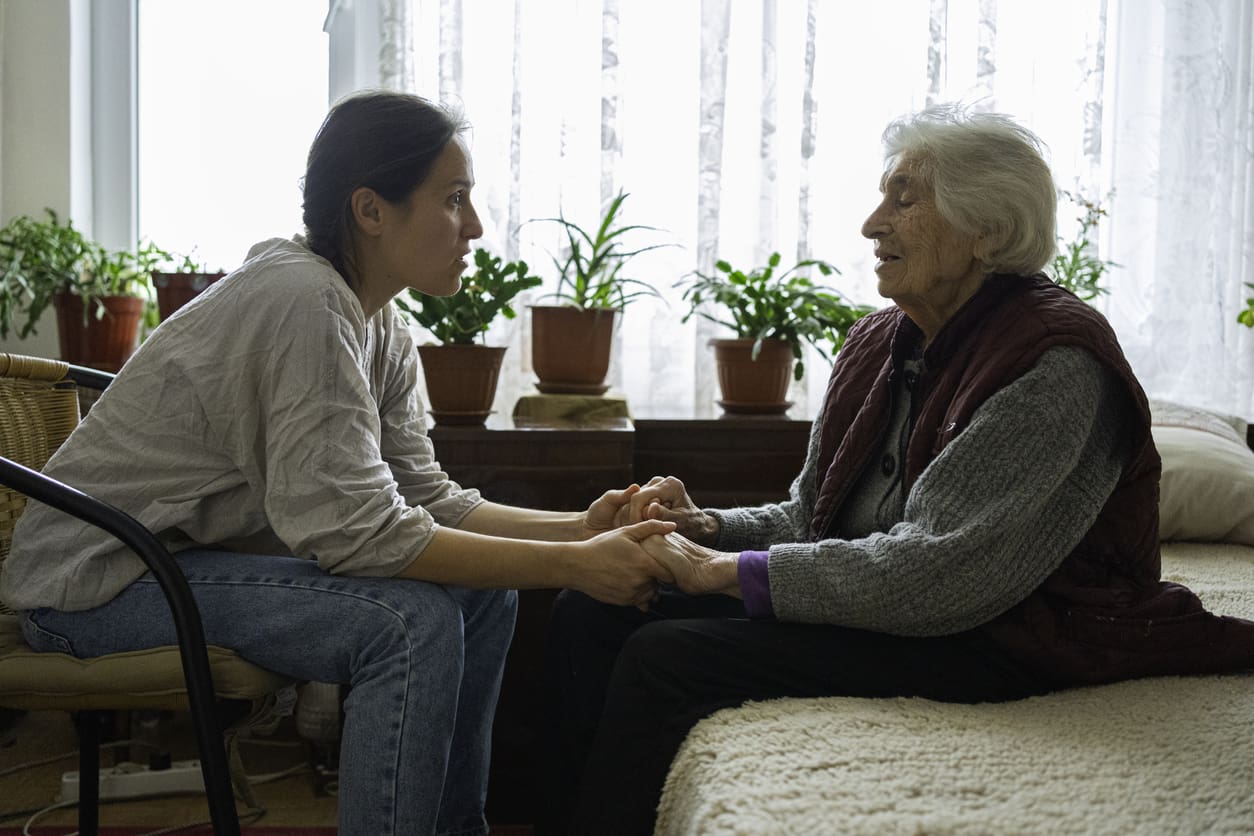
Most assisted living communities hold regular care conferences — scheduled meetings between the care team and family members to discuss a resident’s current status, review the care plan, and address any concerns. They are one of the most useful tools available to families who want to stay actively involved in their parent’s care. They are also, in many cases, underused: families show up without knowing what to ask, or do not show up at all.
Understanding what a care conference is and how to use it effectively changes the dynamic.
What a Care Conference Is
A care conference is a structured meeting, usually held every 90 days or when significant changes occur, where the people responsible for different aspects of a resident’s care come together with family members to share information and make decisions.
It is not a complaint session. It is not a briefing where the community reports and the family listens. At its best, it is a collaborative working session where everyone at the table has relevant information and a stake in the outcome.
Who Is in the Room
The attendees vary by community, but a care conference for a resident in assisted living typically includes:
- The charge nurse or director of nursing (clinical lead)
- The resident’s primary caregiver or care aide
- The activities director
- The social worker (if the community has one)
- The dietary coordinator (if nutrition is a current concern)
- The resident (when appropriate and possible)
- Family members
In smaller CBRFs, the core team may be the administrator and the primary nurse. In larger communities, the team may be larger. What matters is that the people who actually know the resident are present, not just administrative staff.
What Gets Covered
A well-run care conference covers:
Current status: How is the resident doing physically, cognitively, socially, emotionally? Has anything changed since the last conference or since move-in?
Care plan review: Is the current care plan still appropriate? Does anything need to change? Are there emerging needs that the plan does not address?
Medications: Any changes since the last review? Any concerns about side effects or interactions?
Activities and engagement: Is the resident participating? What activities are they engaging with? Are there preferences that are not being met?
Family concerns: What are families noticing on their visits? What questions do they have?
Upcoming needs or transitions: If significant changes are anticipated (a planned surgery, a scheduled hospitalization, a potential increase in care level), this is the time to discuss the plan.
How to Use One Effectively
Prepare before you arrive. Think about what you have observed on your recent visits. Write down specific things you have noticed or questions you have. “She seemed more confused on Tuesday than usual — has the team noticed a change?” is more useful than “how is she doing?”
Bring your own observations, not just your concerns. The care team sees your parent every day, but they do not see what you see when you visit. You may notice things that the team has not registered as significant. Share those observations.
Ask about things that are not on the agenda. Care conferences cover standard topics, but they also provide access to the team that you may not have otherwise. If you have been wondering about a specific medication, a specific behavior you have observed, or a goal your parent has mentioned, raise it.
Ask about the care plan in plain language. “What does the plan say about X?” and “What would need to change for us to revisit that?” are useful questions. Care plans should not feel like fixed documents.
Request a conference if you are not offered one. Quarterly care conferences are standard, but you can request one at any time if something significant has changed or if you have concerns that need to be addressed as a group.
Request that the resident attend when appropriate. For residents who are cognitively capable of participating, their presence matters. The care conference should be about them, not just about them.
When a Care Conference Is Not Enough
If you have concerns that are not being resolved through the care conference process, escalate appropriately. In Wisconsin, assisted living communities are regulated and inspected; concerns that cannot be resolved internally can be reported to the Wisconsin Department of Health Services.
For families with parents in communities like those in Oak Creek or Glendale, the care conference is the formal structure for the family-care team relationship. Using it actively — preparing, asking questions, sharing what you observe — is one of the most concrete ways to stay meaningfully involved in your parent’s life and care after the move.