
How Assisted Living Handles Residents With Chronic Pain
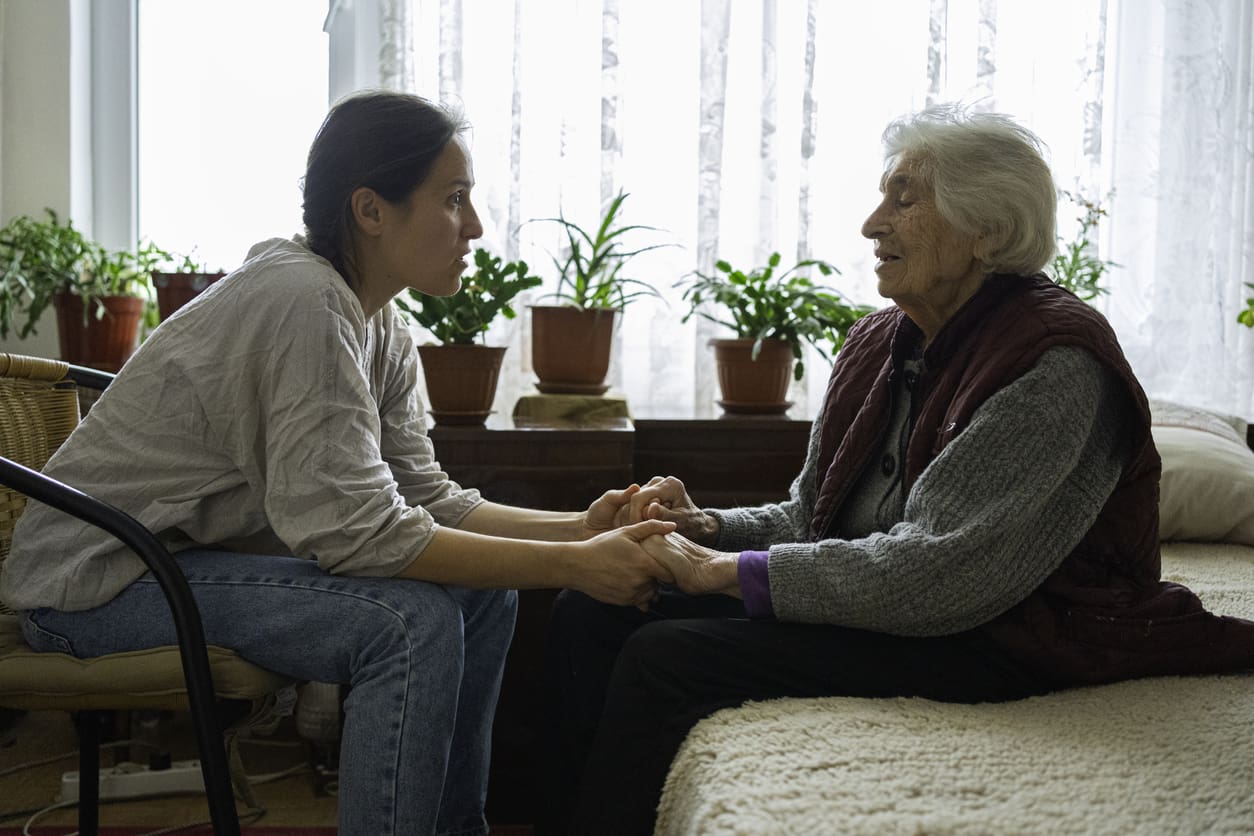
Chronic pain is widespread among older adults. Arthritis, back pain, neuropathy, and pain from prior injuries or surgeries affect a significant portion of the assisted living population, yet pain management is one of the areas where care quality varies most dramatically across communities.
Undertreated pain affects everything: sleep, mood, appetite, mobility, and the willingness to participate in activities. A parent who is in constant pain is not going to thrive in any setting, regardless of how good the community’s amenities are.
Why Chronic Pain Management Is Challenging in Older Adults
Several factors make managing chronic pain in older adults particularly complex.
Older adults often report pain differently than younger people. They may minimize their symptoms, attribute pain to normal aging, or have difficulty communicating the severity or location of their pain, particularly if they have cognitive impairment. Staff who are not trained to recognize and ask about pain may miss it entirely.
Many older adults take multiple medications, which makes adding or adjusting pain medications more complicated. Drug interactions, kidney and liver function changes with age, and the risk of falls with certain pain medications all require careful management.
Cognitive impairment adds another layer. A person with dementia may not be able to report pain verbally, but they often express it through behavior: increased agitation, resistance to care, changes in facial expression, or changes in activity level. Recognizing these behavioral signs of pain requires training and attention.
What Good Pain Management Looks Like in Assisted Living
A community that handles chronic pain well has several characteristics.
Routine pain assessment. Good communities assess pain systematically and regularly, not just when a resident complains. For residents with cognitive impairment, they use behavioral observation tools designed to detect pain in people who cannot self-report.
Coordination with the resident’s physician. Assisted living communities are not medical facilities and cannot prescribe medications. But they should have clear processes for communicating with the resident’s physician about pain issues and following through on prescribed treatments: administering medications on schedule, ensuring physical therapy orders are carried out, and reporting back when a prescribed treatment is not providing relief.
Non-pharmacological approaches. Not all pain management is medication-based. Heat, cold, gentle exercise, massage, position changes, and distraction techniques can all reduce pain and are often preferable for older adults who want to minimize medication. A good community will use these alongside or instead of medications when appropriate.
Staff who know their residents. In smaller communities, staff who know a resident well will notice when something is different, that someone who is usually engaged is withdrawing, that someone who usually sleeps well is restless, that someone who usually eats well is picking at food. These behavioral changes may signal undertreated pain, and a care team with close familiarity with their residents will catch them.
Questions to Ask When Evaluating Communities
When touring an assisted living community, ask specifically about pain management:
- How do you assess pain in residents who cannot communicate verbally?
- What is your process when a resident reports pain or when staff suspect a resident is in pain?
- What non-pharmacological pain management approaches do you use?
- How do you coordinate with a resident’s physician about ongoing pain concerns?
The specificity of the answers tells you a lot. Vague answers like “we work with the family’s doctor” are less reassuring than specific answers that describe an actual process.
Communities like those offering assisted living in St. Francis and senior living communities in Oak Creek operate as community-based residential facilities where smaller size allows staff to develop the kind of close familiarity with individual residents that makes pain detection and management more effective.
How Families Can Advocate
Ask the care team directly and regularly how your parent is doing with pain. If your parent can communicate their pain level, ask them yourself during visits. If you notice behavioral changes that might indicate pain, bring them to the staff’s attention and follow up to make sure they were addressed.
Your observations as a family member matter. You know your parent’s baseline behavior better than any caregiver who has known them for months rather than years. When something seems off, say so.
Chronic pain is manageable. With the right community and consistent advocacy, a parent with chronic pain can have a quality of life that is not defined by their condition.